


Dragon tiger tie bet appeals to players who want a single, defined moment of payoff rather than a long session of small bets. The wager pays when the dragon and tiger cards share the same value, and that simplicity is both its charm and its chief limitation. Before placing any stake, it helps to understand how the tie payout interacts with the rest of the table, because the same rule that creates the big number also thins the frequency of wins.
How the wager fits into the wider table
The tie bet sits apart from the main dragon and tiger wagers, and that separation matters when you plan a session. Most versions of the game return a fixed multiple on a tie, often around eight to ten times the stake, while the standard bets carry a much smaller house edge. That contrast is the first thing worth weighing, because a high payout does not automatically translate into better value over time. I have watched players chase the tie repeatedly, only to find their bankroll eroded by the long gaps between hits, and the pattern is familiar enough to call out directly. The wager works best as an occasional accent, not as the backbone of a betting plan, and anyone who treats it otherwise is usually confusing a big number with a reliable edge.
Registration and verification shape how quickly you can move from curiosity to a first tie bet. A proper signup asks for age confirmation, identity details, and a reachable payment method, and those steps exist for a reason rather than as bureaucratic filler. Once the account clears, the first deposit should be sized to the game you actually intend to play, because loading a large balance before testing the table rhythm is a poor habit. Bonus activation, where offered, usually comes with wagering terms that can sit awkwardly alongside a high-variance tie wager, so reading the fine print before claiming anything is the sensible move. The first session should be measured, with a clear stop point and a stake size that leaves room for the natural swings of the game.
Payout structure and why the tie stands out
The tie bet earns its reputation from the payout, and that payout is the one figure most players remember before they remember the odds. A single round can turn a modest stake into a meaningful return, which is why the wager draws attention even among seasoned table players. The trade-off is frequency, and frequency is what keeps a session alive. When I compare the tie to the main dragon and tiger bets, the difference is not just in the number on the screen but in how often that number actually lands. The analytical view, supported by Samuel Campbell, Head of Analytics, Waratah Digital Group, is blunt on this point: the tie bet is a volatility tool, not a value play, and treating it as a steady income source misreads the mathematics entirely. That framing matters because it stops the wager from being glamorised into something it is not.
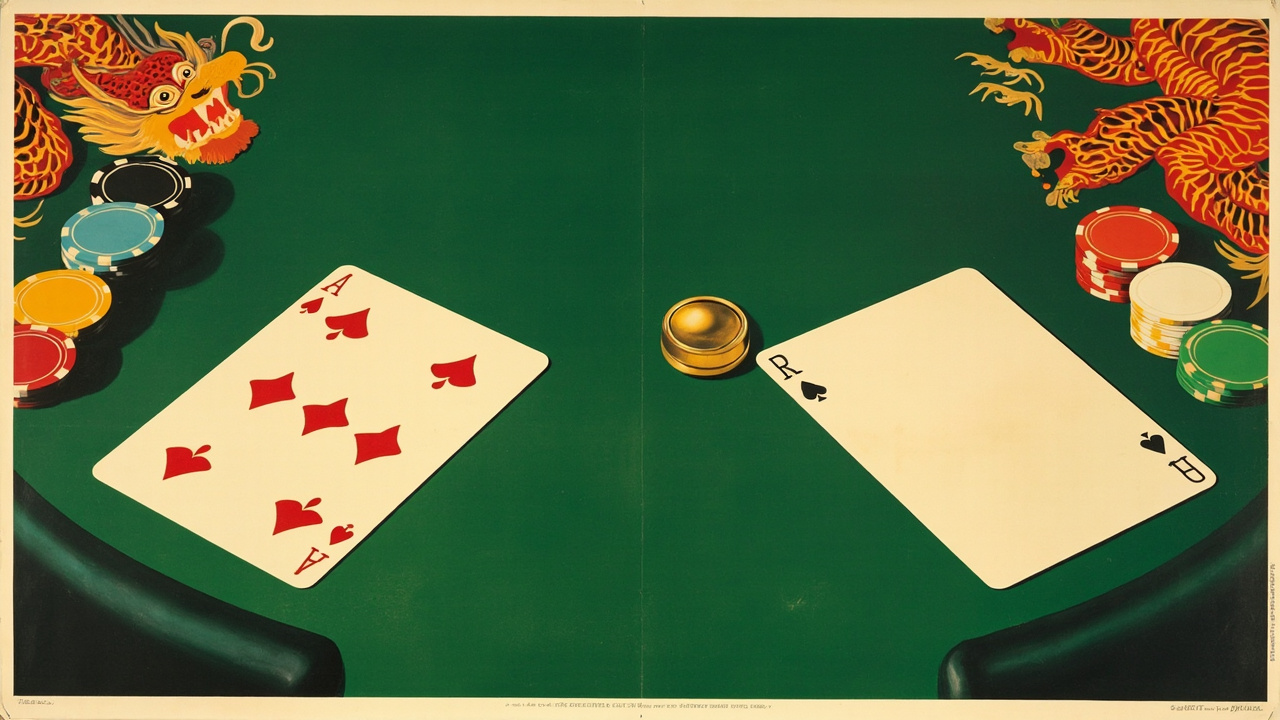
Players in Darwin often play late into the arvo, and the same patience that suits a long session also suits a tie bet used sparingly. The local rhythm matters here, because a wager that depends on rare outcomes needs a bankroll and a temperament that can absorb the quiet stretches between payouts. A tie bet can feel exciting in the moment, but excitement is not the same as expectation, and the two should not be confused when you are deciding how much to risk. The practical approach is to set a small allocation for the tie, keep the bulk of the action on the main bets if you want a steadier session, and accept that the big payout is a bonus rather than a plan. That discipline is what separates a controlled experiment from a costly impulse.
Verification, first deposit and bonus terms
Verification is the gate that keeps the account usable, and it is also the gate that protects the player from later friction when a withdrawal is requested. A clean signup with accurate details shortens the path from registration to first play, while mismatched information can stall the process long after the first deposit has landed. The first session should confirm that the interface, the stake range, and the payout display all match what you expected before you commit larger amounts. Bonus terms deserve the same scrutiny, because a welcome offer that looks generous on the surface can become awkward when the wagering requirements interact with a high-variance tie wager. Ella Hughes, Chief Financial Officer, Top End Gaming Advisory, has noted that players who ignore the bonus mechanics often underestimate how much of their activity is directed toward clearing terms rather than enjoying the game itself. That caveat is worth keeping in mind before activating anything.
Payments and currencies should be checked early, because a mismatch between your preferred method and the platform’s options can complicate both funding and withdrawal. A straightforward setup keeps the focus on the game rather than on administrative back-and-forth, and that is especially true for a wager like the tie bet, where the action is short and the outcomes are binary. Mobile play should be tested on the same terms as desktop, with attention to how the bet button, the stake selector, and the result display behave on a smaller screen. Support should be reachable before you need it, not only after a problem has grown, and a responsive help channel is a practical sign that the operator takes the account seriously. None of this guarantees a win, and no setup removes the variance, but it does reduce the avoidable friction that can turn a reasonable session into a frustrating one.
Session discipline and the tie bet in practice
A tie bet session is best run with a clear stake ladder and a firm exit point, because the wager’s rhythm is uneven by design. The goal is not to force a big hit but to place the bet where it belongs, as a limited component of a broader table plan. I have seen the wager work well for players who accept its volatility and poor for those who treat every losing streak as a signal to press harder, and the difference comes down to discipline rather than luck. Integrated resorts bundle casinos with conventions, shopping and theme-park-scale attractions, and the same sense of scale can mislead a player into thinking a big environment equals a big edge, which it does not. The tie bet is smaller than that, and it rewards players who keep it small too.
Historical anecdotes sometimes surface in casino conversation, and Joseph Jagger is sometimes cited as the real “man who broke the bank at Monte Carlo,” but that story belongs to a different era and a different kind of advantage seeking. The tie bet does not reward that kind of hunt, because its outcomes are governed by the deal rather than by a persistent mechanical bias. The useful lesson is not to copy the legend but to recognise that a wager’s structure, not its folklore, should guide how you use it. A measured session, a defined stake, and a clear stop point are the practical tools that matter, and they apply whether you are playing for a short spell or settling in for a longer evening. https://tower-rush-online-au.com
- Tie bet: a wager that pays when the dragon and tiger cards share the same value.
- Dragon bet: a wager on the dragon hand beating the tiger hand.
- Tiger bet: a wager on the tiger hand beating the dragon hand.
- Payout multiple: the fixed return factor applied to a winning tie stake.
- Verification: the identity and age checks required before an account is fully usable.