


Roulette history origin traces back to eighteenth-century France, yet the game survives because operators keep adapting the wheel for modern screens. Australians playing on phones want fast loading and clear navigation more than ornate presentation. That is why studying roulette history origin matters for anyone judging a site today, not just historians. You can test the feel of a modern spin without spending cash by loading up a jammin jars demo on a browser before you commit to any live table. The mechanics stay simple, but the delivery has changed considerably.
Early Wheels and the French Connection
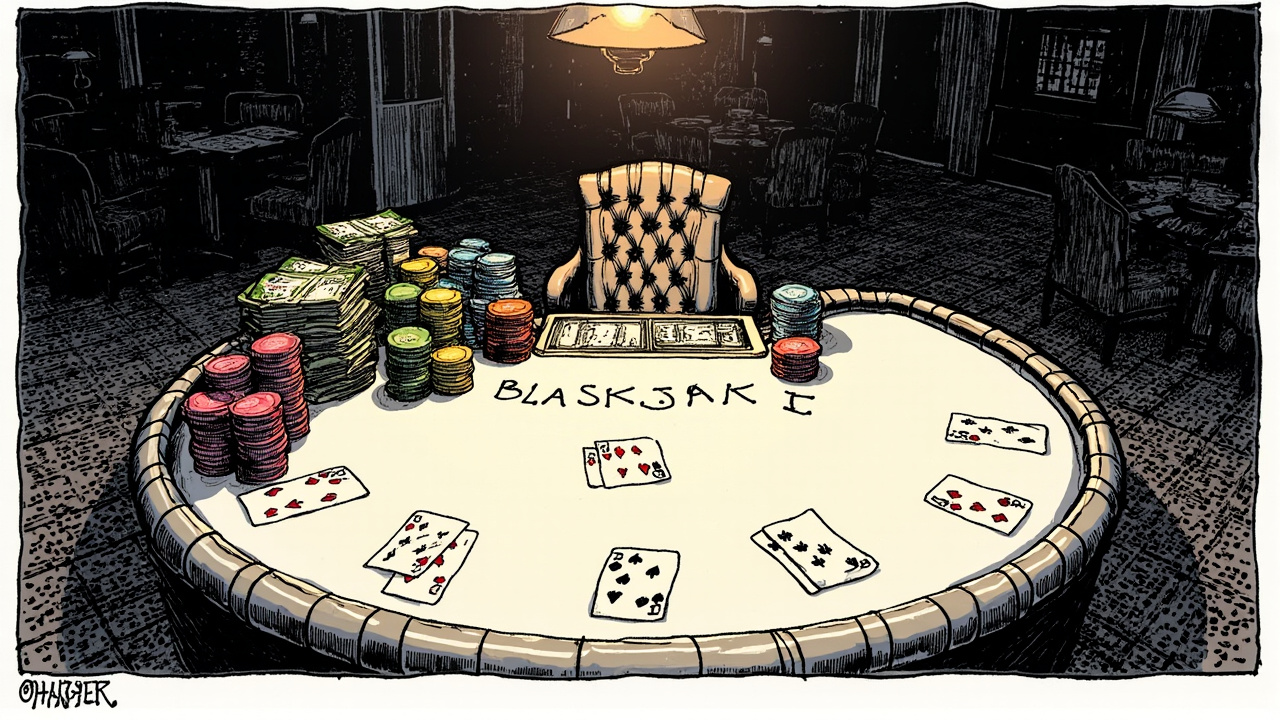
Roulette history origin points to Blaise Pascal’s attempts at a perpetual motion device in the seventeen hundreds, with the single-zero wheel taking shape in France before spreading across Europe. The layout stayed largely unchanged for generations, which is why modern operators still honour the classic pocket sequence on most tables. In practice, that continuity helps players recognise the game instantly, even when the interface shifts to a small screen. UK bookmakers often bundle roulette alongside racing data feeds, treating the wheel as another market rather than a standalone attraction. Australian venues take a different approach, keeping roulette separate from sportsbook tabs so the game keeps its own identity on the floor. That separation matters because it affects how quickly a player finds the table on a phone. A cluttered homepage can obscure the very history that makes the game worth playing. Operators who respect roulette history origin tend to keep the betting grid legible, which is a small but useful detail when you are playing on a commute into Wollongong station.
How Mobile Layout Shapes the Table Experience
Roulette history origin does not dictate how a table renders on a phone, yet the two have to work together if the game is going to hold attention. A responsive table needs to fit the betting grid without forcing constant pinch and zoom, especially when the arvo rush hits and players are tapping quickly between tasks. Performance matters as much as aesthetics, because a laggy spin animation breaks the rhythm that makes the game feel authentic. New Zealand sites often test tables on slower connections to mimic regional mobile networks, a habit Australian operators could borrow more often. Navigation should stay shallow, with the table reachable in two taps rather than buried under promotions. Support chat needs to load without freezing the game window, since players often ask about table limits while a spin is running. These are practical conditions, not flashy selling points, and they determine whether roulette history origin translates into a usable product. A site that nails the basics usually outperforms one that leans on heavy graphics. How Casinos Use Original Games To
Bonus Mechanics and How They Fit the Wheel
Roulette history origin has no natural bonus structure, so operators invent their own ways to attach promotions to a game that is fundamentally about probability. Some platforms offer table-specific cashback or loss rebates, while others fold roulette into a broader casino welcome package with wagering terms that apply across slots and table games alike. The catch is that bonus money rarely behaves the same way on a wheel as it does on a video slot, which is why players should read the mechanics before assuming the promotion helps their play. UK operators frequently separate table games from bonus eligible slots, a practice that reduces confusion but also limits how much of the bonus can be used on roulette. Australian sites vary widely, with some keeping roulette fully eligible and others restricting it to specific tables or stake sizes. Loyalty points sometimes accrue on roulette wagers, but the conversion rate usually trails the rates offered on higher margin games. Anyone weighing a bonus should check whether the wheel is included at all, because roulette history origin does not come with a built-in reward system. Clear terms matter more than a large headline figure.
Data, Operations, and What Operators Optimise
Roulette history origin is a fixed story, but the way operators handle the game behind the scenes keeps evolving through data and product decisions. Sportsbook operations teams often cross-train on table games because the customer journey overlaps, especially when a player moves from a race market to a live casino table in the same session. That overlap is why some operators track roulette drop and handle alongside racing turnover, using the combined picture to tune staffing and marketing spend. Ella Carter, Senior Market Analyst, Southern Star Esports, notes that roulette traffic tends to spike during slow racing windows, which makes the game a useful filler for operator margins rather than a standalone revenue driver. Digital product teams then use that data to decide whether a table needs a faster load time, a clearer chip selector, or a different default stake for mobile users. Partnerships with game providers usually hinge on whether the table performs across devices, not just on how the wheel looks in a demo. Australian operators who ignore that data often end up with tables that feel fine on desktop but stumble on phones. The operational detail is less visible than the wheel itself, but it shapes the experience more than most players realise.
For players, a few terms keep coming up when comparing tables and platforms. Single zero refers to the European wheel with one green pocket, which lowers the house edge compared with the American double-zero layout. Handle describes the total amount wagered over a period, a metric operators use to judge table performance. Cashback is a rebate on losses, usually paid as bonus credit rather than withdrawable funds. Responsive layout means the table adjusts to screen size without forcing horizontal scrolling. These terms matter because they describe the conditions around the game, not just the spin itself.

Roulette history origin gives the game its shape, but the quality of the mobile experience decides whether it stays enjoyable on a phone. Players in Australia should look for a legible grid, fast load times, and bonus terms that actually include the wheel before they spend time on a table. The sites that treat roulette as a serious product rather than a decorative afterthought usually deliver the most consistent session. No table removes the edge, and no promotion changes the mathematics, so the practical choice is about clarity, speed, and honest terms. If the table is easy to read and the site behaves well on mobile, the game does what it has done for centuries: it gives you a wheel, a bet, and a result.