


Counting cards in blackjack is less about memorising a deck and more about knowing when a specific playing decision shifts the edge in your favour. The indices you track tell you when to stand, double, split or surrender on a hand that basic strategy alone would play differently. For an Australian player weighing whether to learn these numbers, the real question is how much time you want to invest against the practical limits of live tables, online shufflers and the local venues you actually visit. The maths is honest, but the environment decides whether the effort pays off.
What The Indices Actually Mean
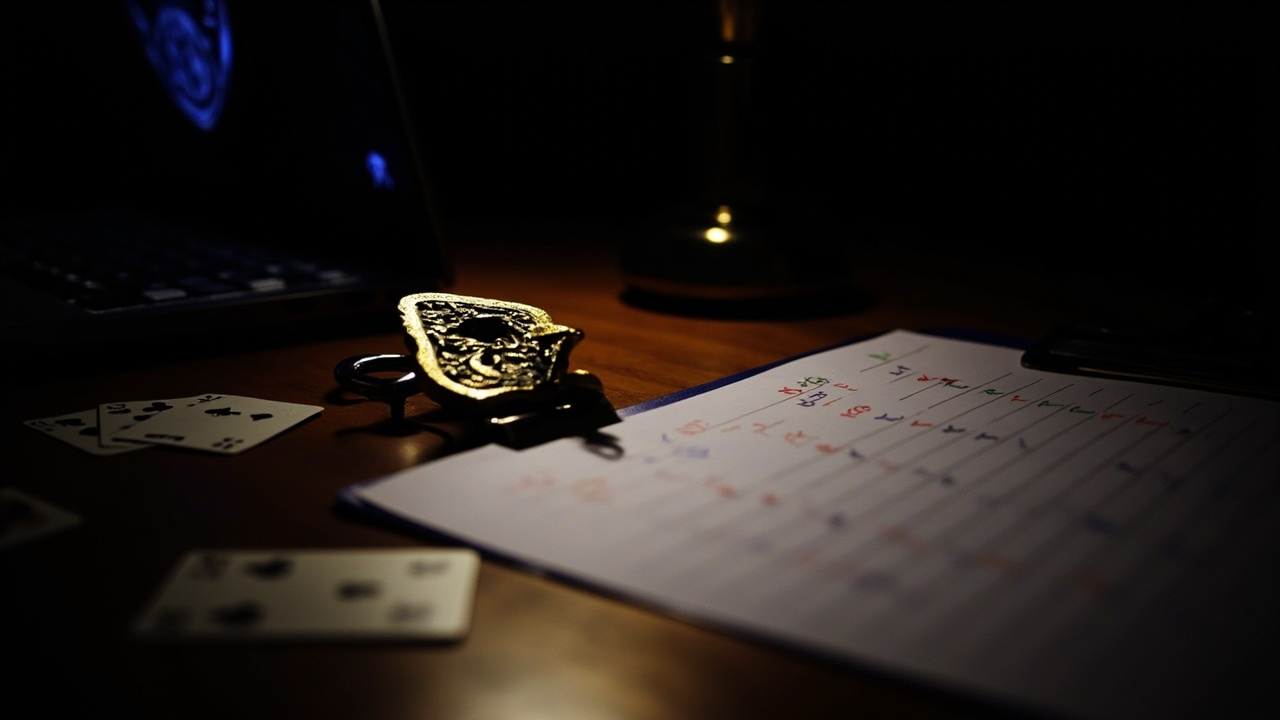
An index is a threshold where a deviation from basic strategy becomes statistically preferable. You do not need a photographic memory of every card; you work from a running count or a true count and apply a small set of decision points that change your play on hands like 16 versus dealer 10 or 15 versus dealer 6. The value of learning these is narrow and precise: it reduces a known loss on specific hands rather than handing you an advantage on every deal. From my years building bingo platforms and payment flows at PlayWise Systems, I have seen players treat counting like a silver bullet, when in reality it is a disciplined adjustment that only matters when the shoe composition genuinely shifts. James Martin, Independent iGaming Expert at Brighton Beach Betting Lab, puts it plainly: indices work only when the game rules and penetration allow a meaningful true count, and most casual players overestimate how often that window opens. The practical takeaway is to learn the handful of indices that cover the most frequent awkward hands, rather than chasing a full chart before you have ever tracked a live shoe.
Where You Can Actually Practise In Australia
The venues where counting has any realistic footing are the ones with continuous shufflers switched off and a reasonable cut card. In Perth, some smaller rooms still run dealt shoes during weekday sessions, and the arvo crowd at a local club can be quiet enough to observe penetration without drawing attention. Horse racing was one of the first organised sports in colonial New South Wales, and that same on-course tradition of reading conditions before committing money carries over to how a careful player scouts a table before sitting down. Australian bookmakers traditionally stood on-course shouting odds from a stand, and the discipline of waiting for the right line is a useful parallel: you do not force a count on a game that shuffles every hand or uses a six-deck auto-feed with no cut card. Keno is a fixture in Australian pubs, clubs and casinos, which reminds us that many floor games are designed for pace and chatter, not for a methodical player tracking composition. If you are serious about practising, pick one or two rooms, sit in for a session, and watch how often the dealer breaks a shoe before you ever commit a cent to a count.
How To Build A Working Index Routine
A playable routine is small enough to run under pressure and specific enough to change a few hands each shoe. The goal is not to become a human calculator but to recognise the moments where an index actually moves your decision. The following steps describe the process a player goes through when putting indices to work at a dealt table.
By training your eye to spot those key transitions, you stop wasting energy on every card and start focusing on the genuine shifts that matter. This selective awareness is exactly what makes a plinko lucky approach so effective when the pace quickens. You can explore the underlying probability models at https://plinko-play-au.com/ to see how small index adjustments compound over a full session.
- Pick a single-deck or double-deck game with visible penetration and write down the three to five indices you will actually use, such as standing on 16 versus 10 at a positive true count.
- Choose a counting method you can run without pausing the game, and practise the running count to true count conversion until the arithmetic does not break your rhythm.
- At the table, track the shoe quietly, convert to true count at the cut card, and apply only your chosen indices rather than improvising new plays on the fly.
- Record the hands where an index changed your play and the result, so you can separate genuine edge from short-term variance after the session.
- Review the notes when you are away from the floor, adjust the list of indices you carry, and drop any play that only appears in rare compositions you rarely see.
This process keeps the work tied to real tables and real decisions, which is the only way the numbers stay useful.
Payments, Verification And Playing Within Your Limits
When a player decides whether the effort of counting is worth it, the practical side of moving money and staying within limits matters just as much as the maths. Deposits and withdrawals on any platform should move through a clear cashier with identifiable methods, sensible processing times and limits you can actually work with, not thresholds that force you to reload in awkward increments. Verification is not a hurdle to dodge; it is the step that keeps your account and your withdrawals legitimate, and any operator worth your time treats it as standard rather than optional. Responsible gambling safeguards in Australia sit around the player as much as around the venue, and that means setting a session bankroll, deciding your stop point before you sit down, and treating any count as a way to reduce loss on specific hands rather than a route to guaranteed money. If you want a separate way to test your timing and decision speed without the pressure of a live table, you can try plinko lucky on a lighter game format, though it is a different mechanic and not a substitute for the discipline of a dealt blackjack shoe. The honest verdict is that indices are a narrow tool, and they only earn their place when you pair them with a game you can actually track, a bankroll you can afford to risk, and a clear exit point when the shoe or the session stops cooperating.