


Poker Rake Explained is a practical guide for adults 18+ who want to understand how card rooms price action without losing sight of value. When you log into a platform like complete your Skycrown casino login au and join a cash game, the rake is the commission taken from each pot or paid as a timed fee. It funds the software, the dealers, and the liquidity that keeps tables running, but it also erodes your edge if you do not track it. In Perth, where late-night sessions often stretch past the arvo shift change, players who treat rake as a fixed cost rather than a mystery tend to manage their bankroll better. The goal here is not to sell a seat at any particular table, but to show how a rake structure reads in plain terms and what it means for your play.
How the Rake Shows Up in Real Games
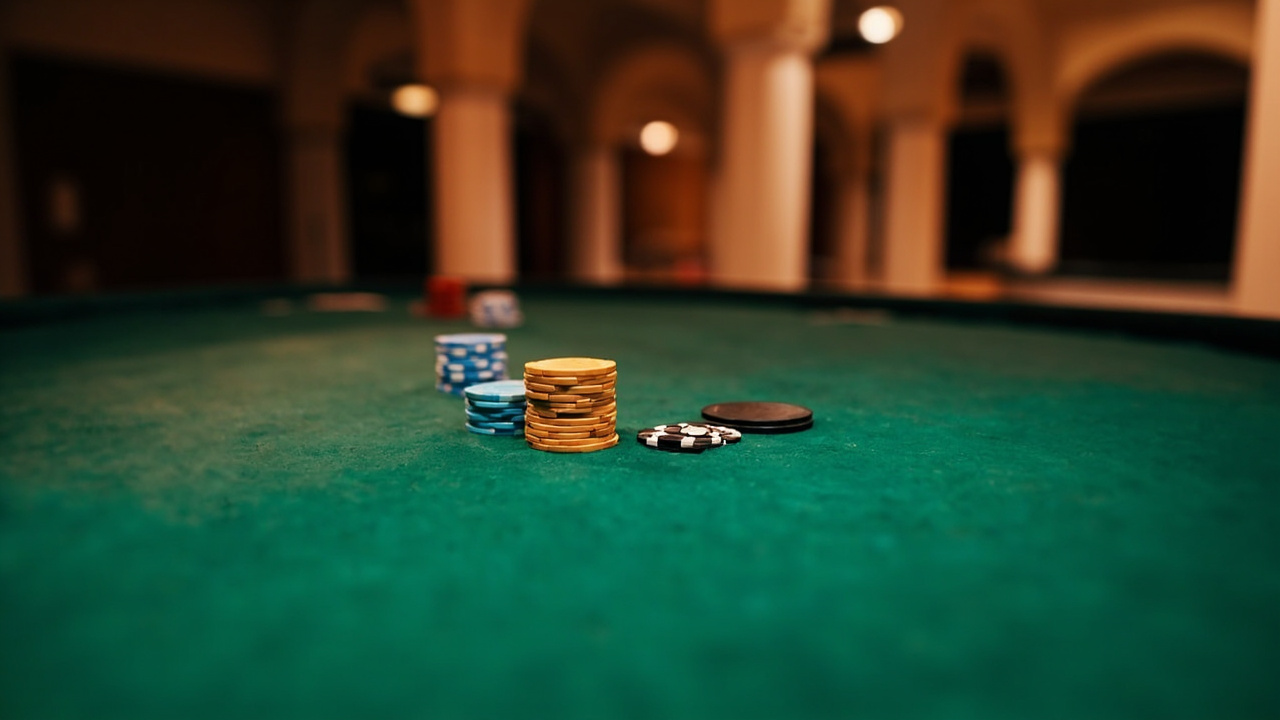
The most common form is a percentage rake, often capped at a fixed amount per pot, so a $200 pot might lose $3 to the house while a $50 pot loses $1. Some rooms use a time-based model instead, charging a set fee every thirty or sixty minutes regardless of pot size, which can suit bigger stacks that are not seeing constant action. A third variant, the dead drop, places a fixed fee in the pot before cards are dealt, and that money goes to the house when the hand finishes. Each model shifts the burden differently: percentage rakes punish frequent small pots, time fees favour players who sit tight and wait for premium spots, and dead drops can feel opaque if you do not notice the initial chunk sitting in the muck. From a commercial standpoint, I have seen operator-investor teams treat rake like any other unit economics problem: the room needs enough take to cover liquidity and tech, but if the rate climbs too high relative to the stakes, regulars drift to softer games or leave entirely. That balance is why a room that runs a modest cap on higher stakes often keeps its player pool healthier than one that squeezes every hand.
| Rake Model | Typical Structure | Best Fit For | Watch Out For |
|---|---|---|---|
| Percentage cap | Fixed% of pot, upper limit per hand | Regular cash games, mid-stakes action | Small pots eaten by the cap edge |
| Time fee | Set amount per half-hour or hour | Deep-stack, selective players | Sitting through dull stretches |
| Dead drop | Fixed fee placed before deal | Rooms wanting predictable take | Less visible to casual players |
What the Numbers Mean at the Table
A useful way to think about the rake is to convert it into a cost per hand or per hour, then compare that figure against your win rate and the stakes you are actually playing. If a room takes 5% of the pot capped at $3, and you average thirty cents per hand over a long sample, the rake is a meaningful slice of your edge rather than a rounding error. Players who move up in stakes without checking the cap often discover the fee stops scaling, which can make a higher-blind game cheaper per dollar in the pot than a lower one. That is the kind of commercial detail I look for when judging whether a platform has priced its action sustainably: the structure should reward skill and patience, not just volume, because a room that bleeds regulars eventually loses the liquidity that makes its games worth joining. In practice, a player in Perth who logs on after work and plays two hours of $1/$2 cash might find the time fee simpler to budget than a percentage rake that swings with every bad beat, but the right choice depends on whether you are grinding volume or hunting specific spots.
When the Rake Stops Being the Whole Story
The rake is only one line in a broader cost stack, and a room can charge a fair percentage yet still feel expensive if the game selection is thin or the stakes do not match the local market. A lobby with a strong mix of table games, slots, and live content from established providers can be attractive, but poker players care most about table depth, stake range, and how quickly a seat opens when the Friday crowd logs on. Search and discovery matter here: if you cannot find a $1/$2 Hold’em table without scrolling through a cluttered menu, you are paying with time as well as money. I have seen commercial builds where the poker section was technically sound but buried behind a lobby designed for slots, and the result was a smaller, less active player pool that made the rake feel heavier than it was on paper. A room that organises its poker lobby by stake, format, and availability, with clear filters and a live seat count, usually lets players make better decisions about where the rake actually buys them a playable game.
How to Read the Fine Print Before You Sit
Registration, payments, and support details often carry the real clues about whether a rake structure is fair in practice, because a room that is slow to resolve a dispute or unclear about withdrawal limits can make any percentage feel worse than it is. Look for a licence that is clearly stated, currencies that match your bankroll planning, and a mobile experience that does not hide the rake or the cap behind a tap too many. A loyalty scheme can soften the blow if points or rewards actually offset costs over time, but only if the terms are readable and the rewards are not tied to spend thresholds that push you into games you would not otherwise play. In a conversation with a poker room operator during a growth phase, the point that stuck with me was simple: players remember how quickly a room answered a question about a disputed pot far longer than they remember the advertised rake percentage, because trust is what keeps them returning when the cards go cold. That is why a platform that publishes its rake clearly, keeps its support reachable, and treats verification and geo requirements straight is usually a better place to learn the game than one that dazzles with promotions and obscures the cost of play.
Understanding poker rake explained in plain terms helps you choose tables that fit your style instead of chasing a headline rate that looks cheap until the caps and time fees add up. The best move is to treat the rake as one input among several: stake range, lobby depth, provider mix, payment clarity, and support quality all shape whether a room is worth your time on a given night. If you are in Perth and know your usual session length and stake ceiling, compare the actual cost per hour across a couple of rooms rather than assuming the lowest percentage wins, because a transparent structure with steady liquidity often beats a aggressive one that leaves you waiting for seats. Play within your limits, track the real cost of each session, and let the numbers guide where you sit rather than the other way around.